
- Category
- Forb / Wildflower
- Sun
- Full to Partial
- Soil moisture
- Medium-Wet to Medium-Dry
- Bloom time
- Jun–Oct
- Bloom color
- Yellow
- Notes
- Biennial
About Black-eyed Susan
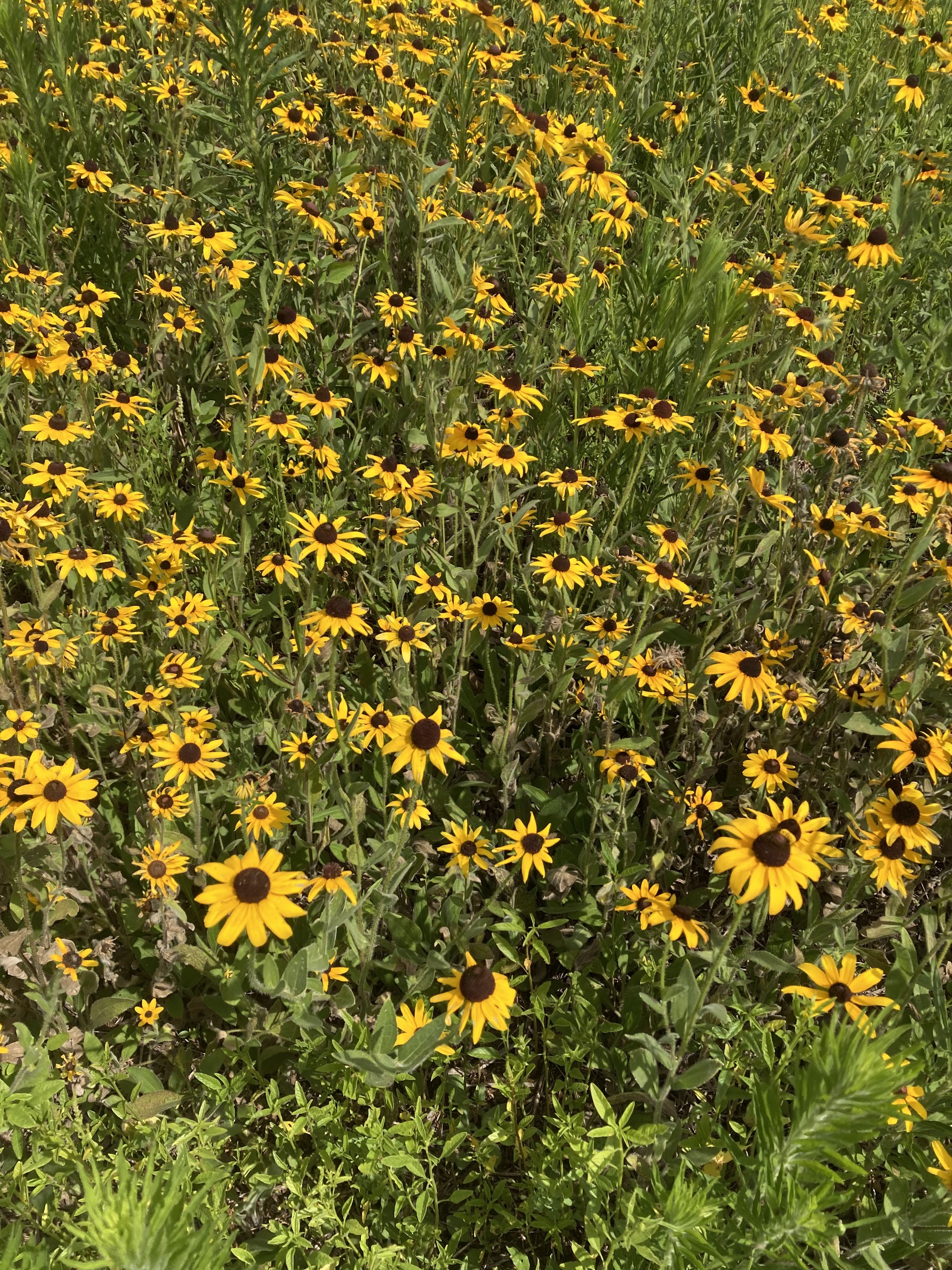
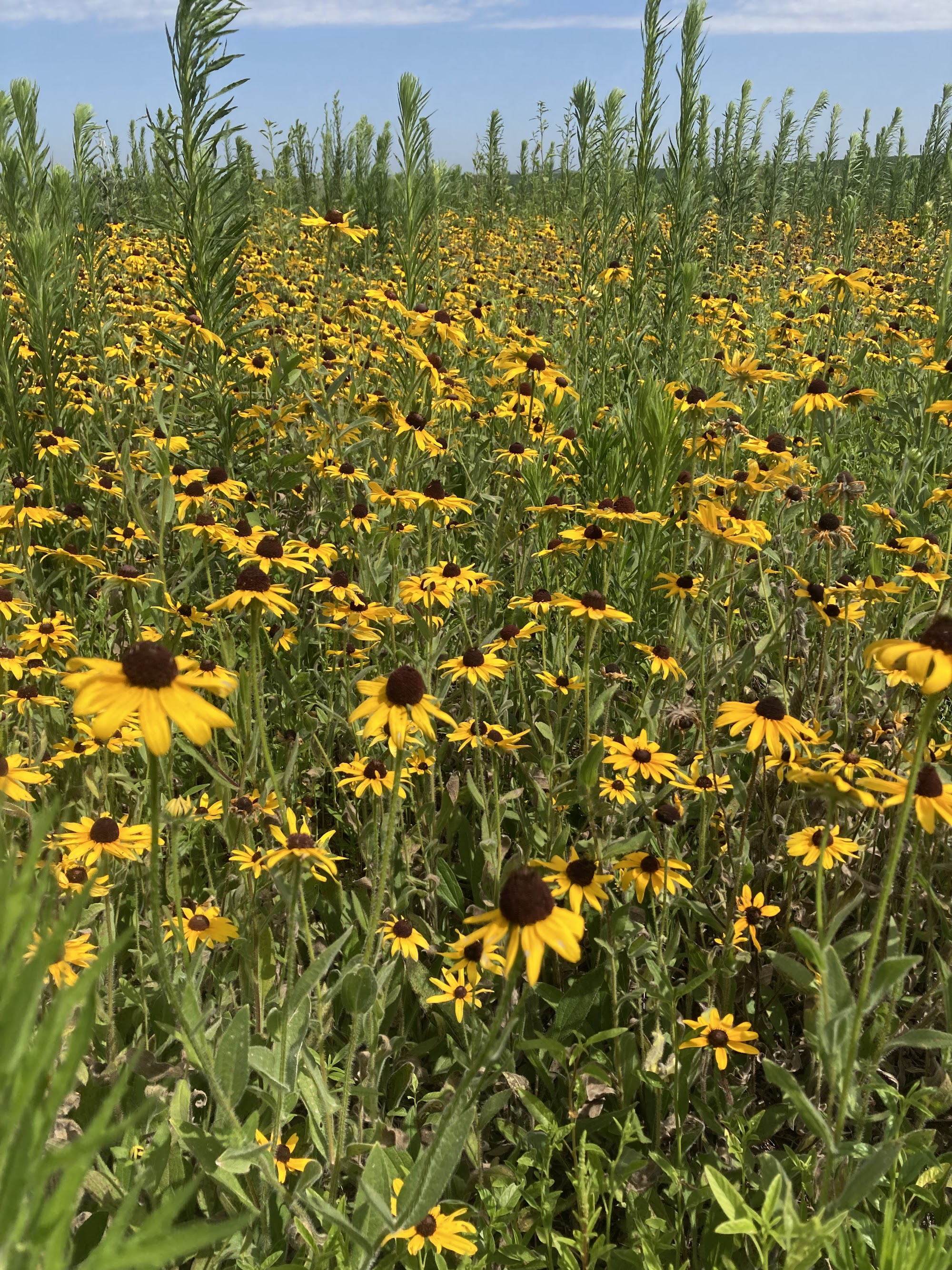
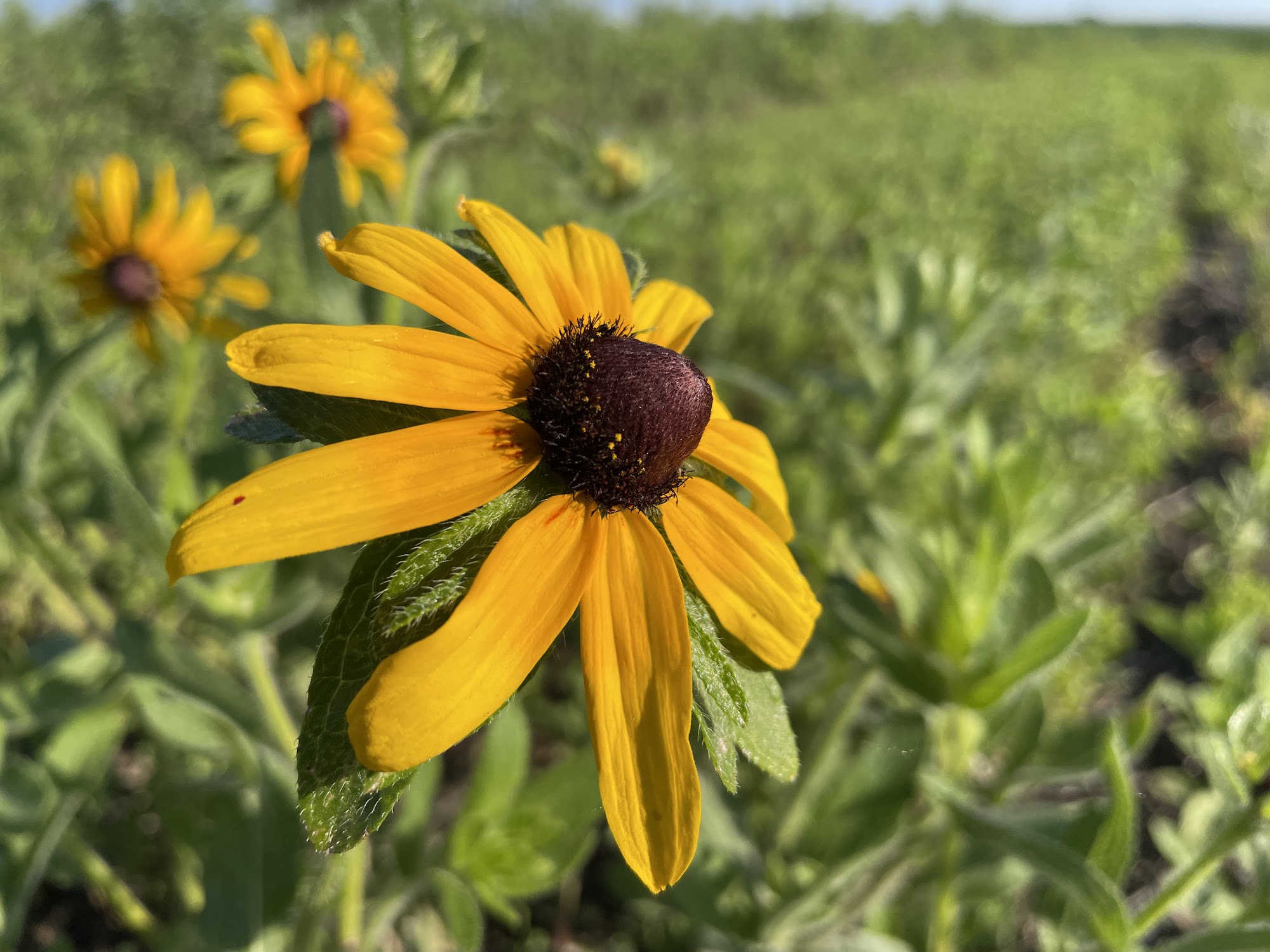
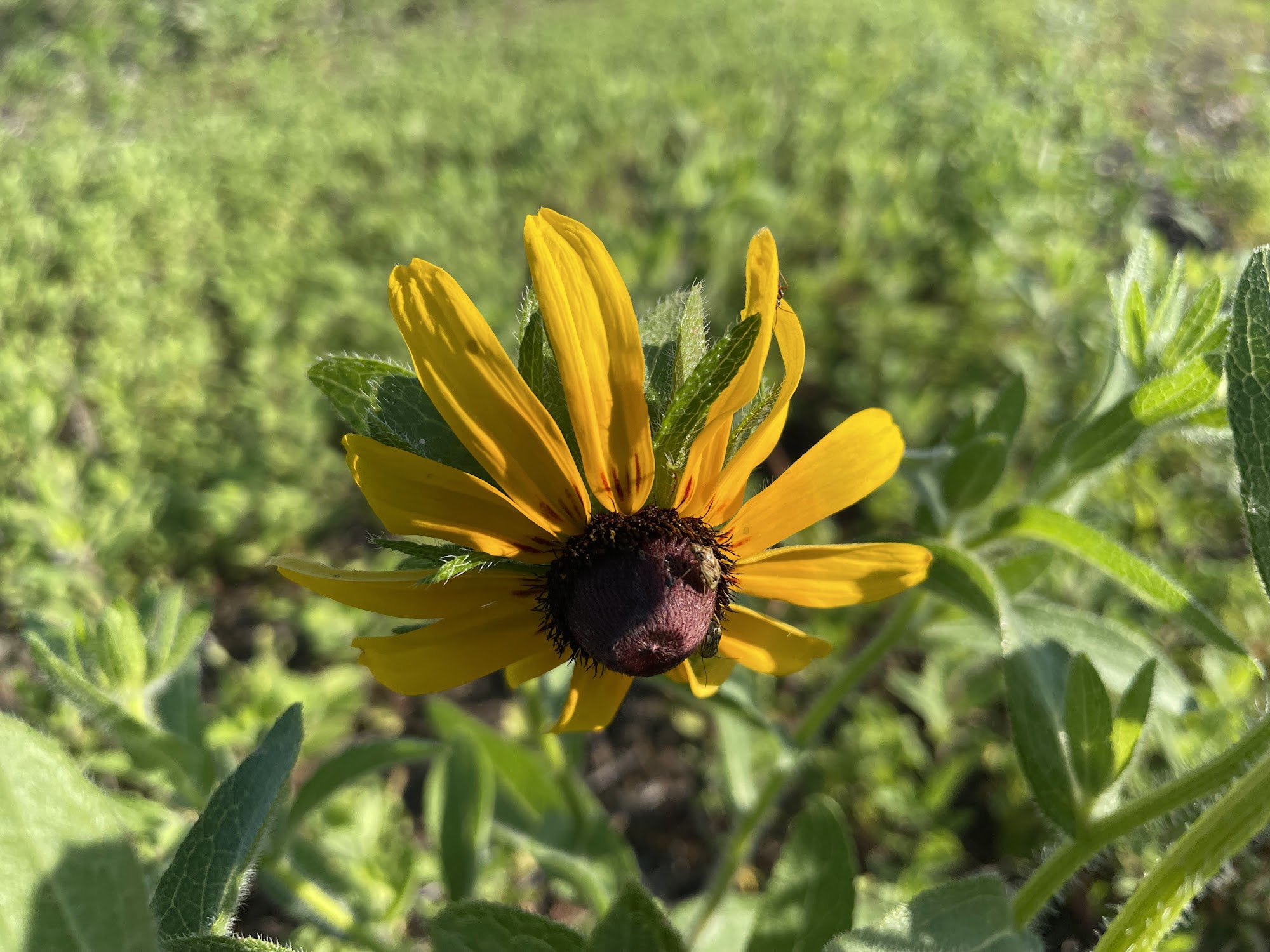
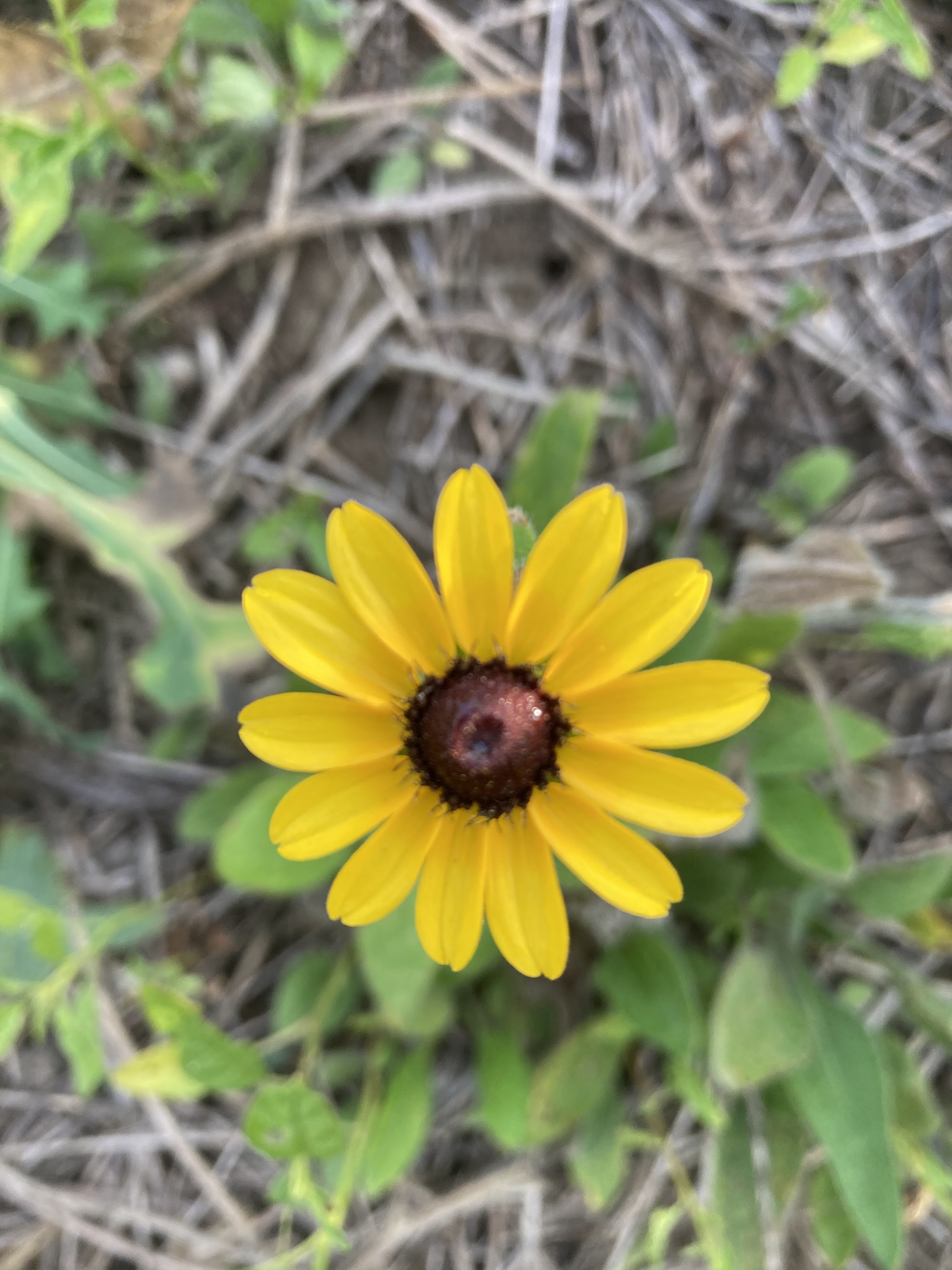
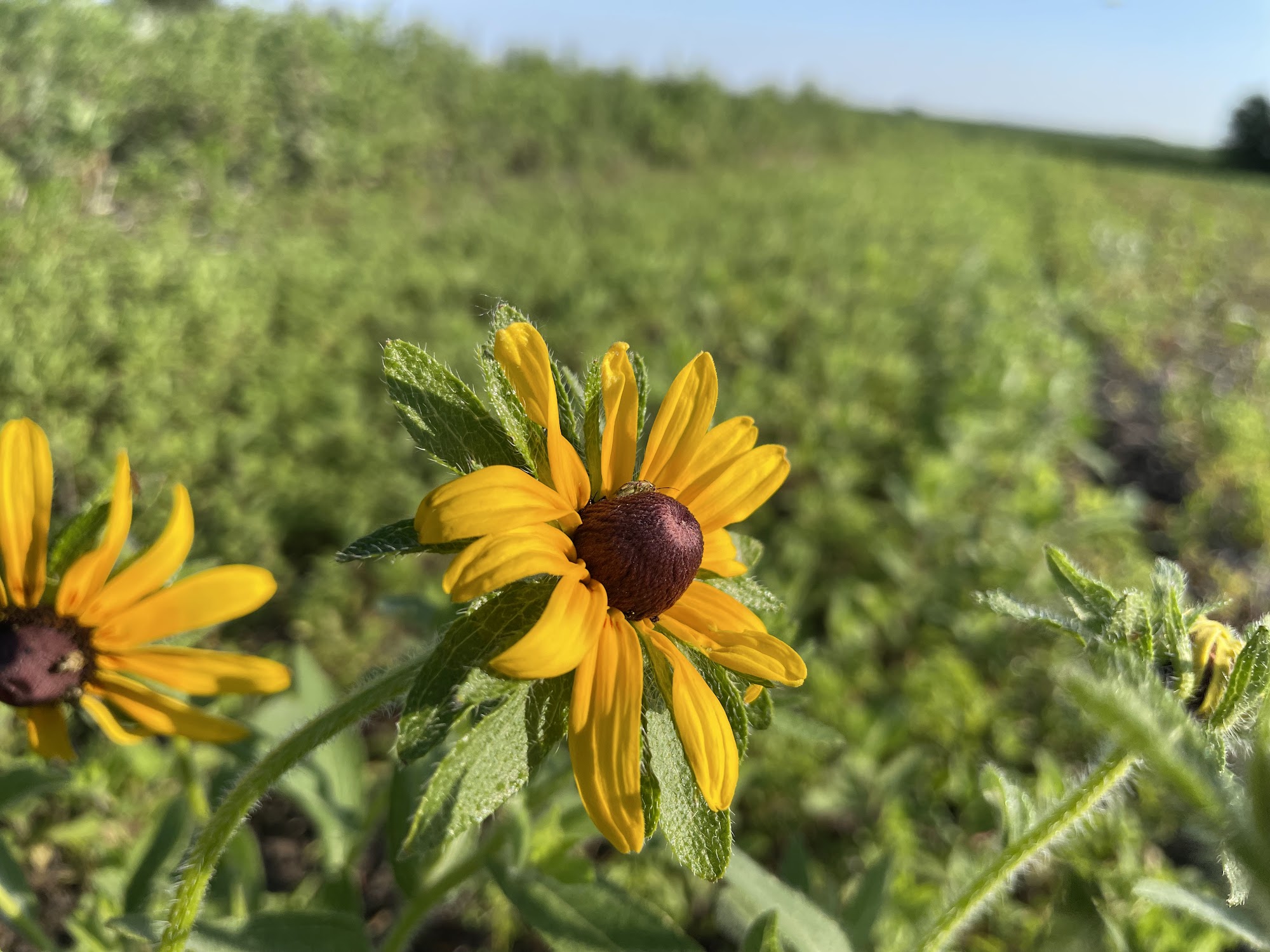
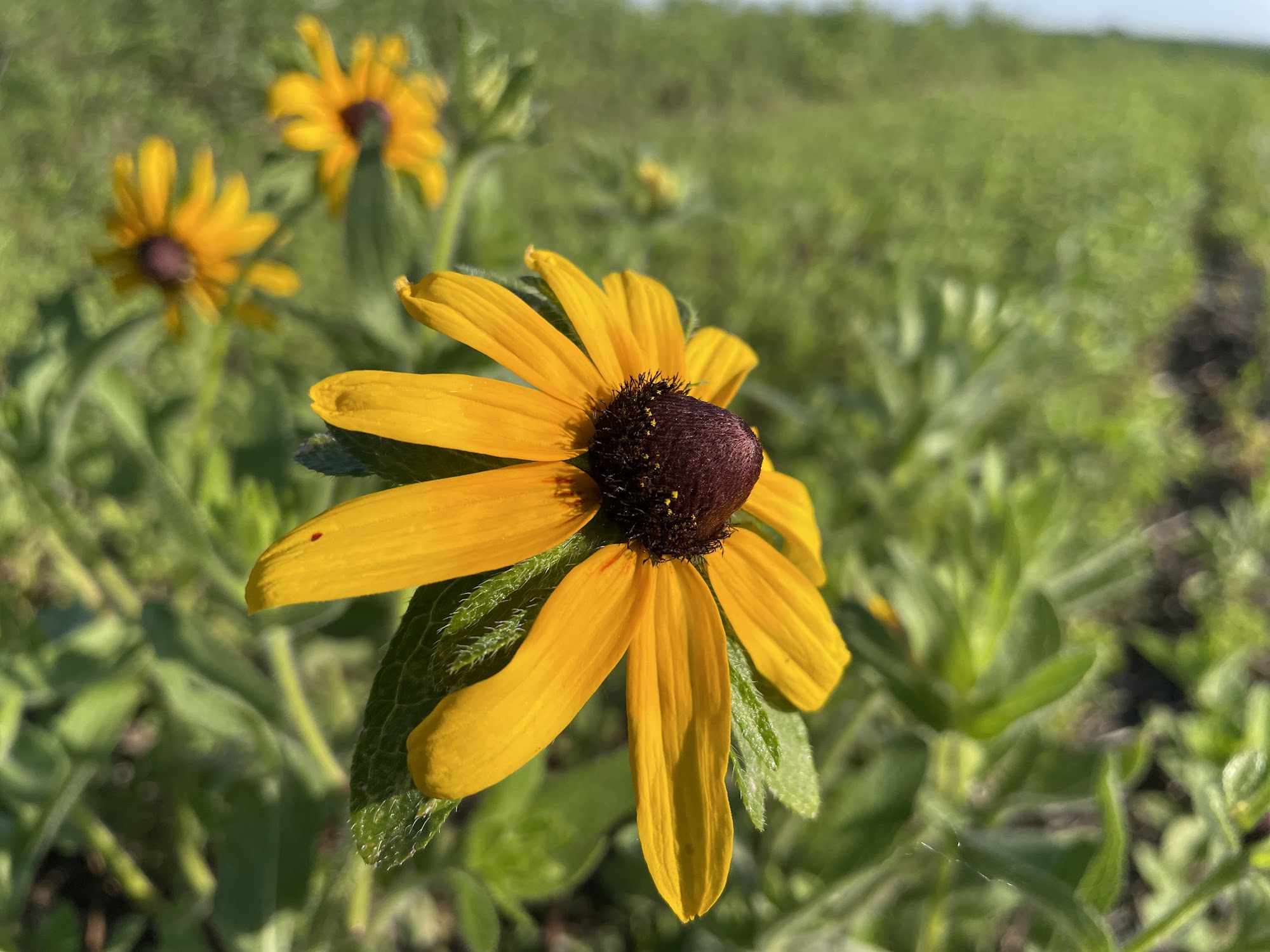
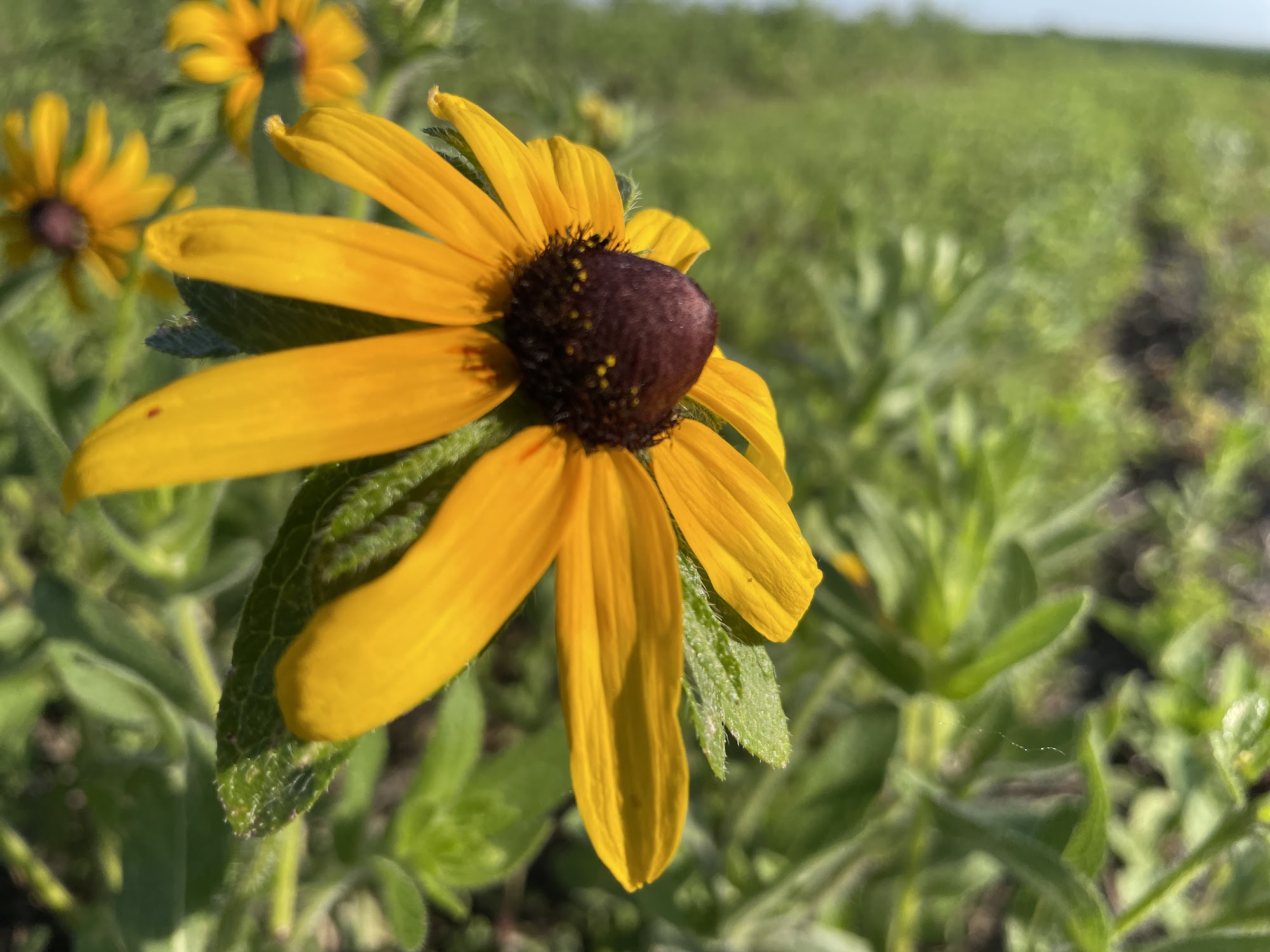
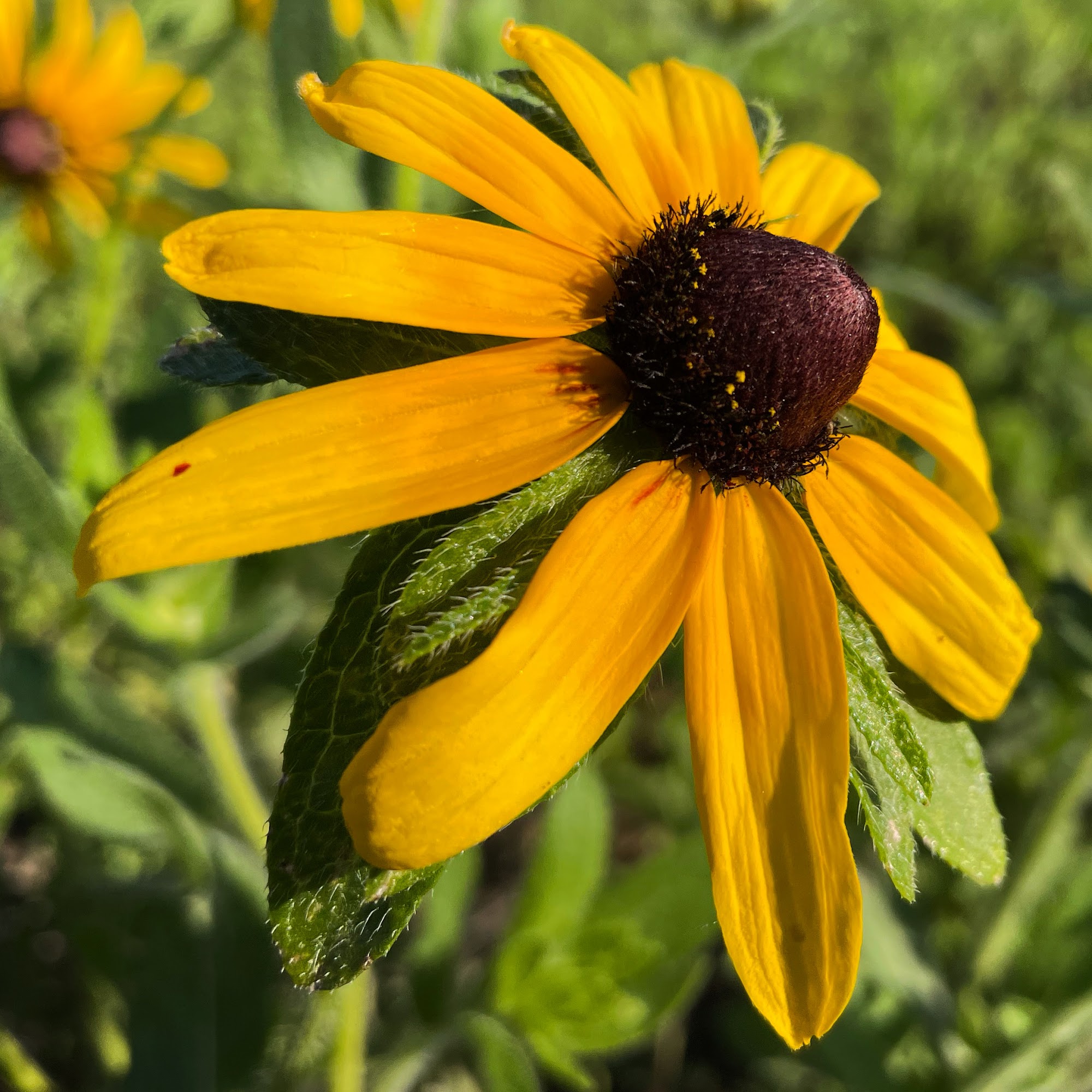
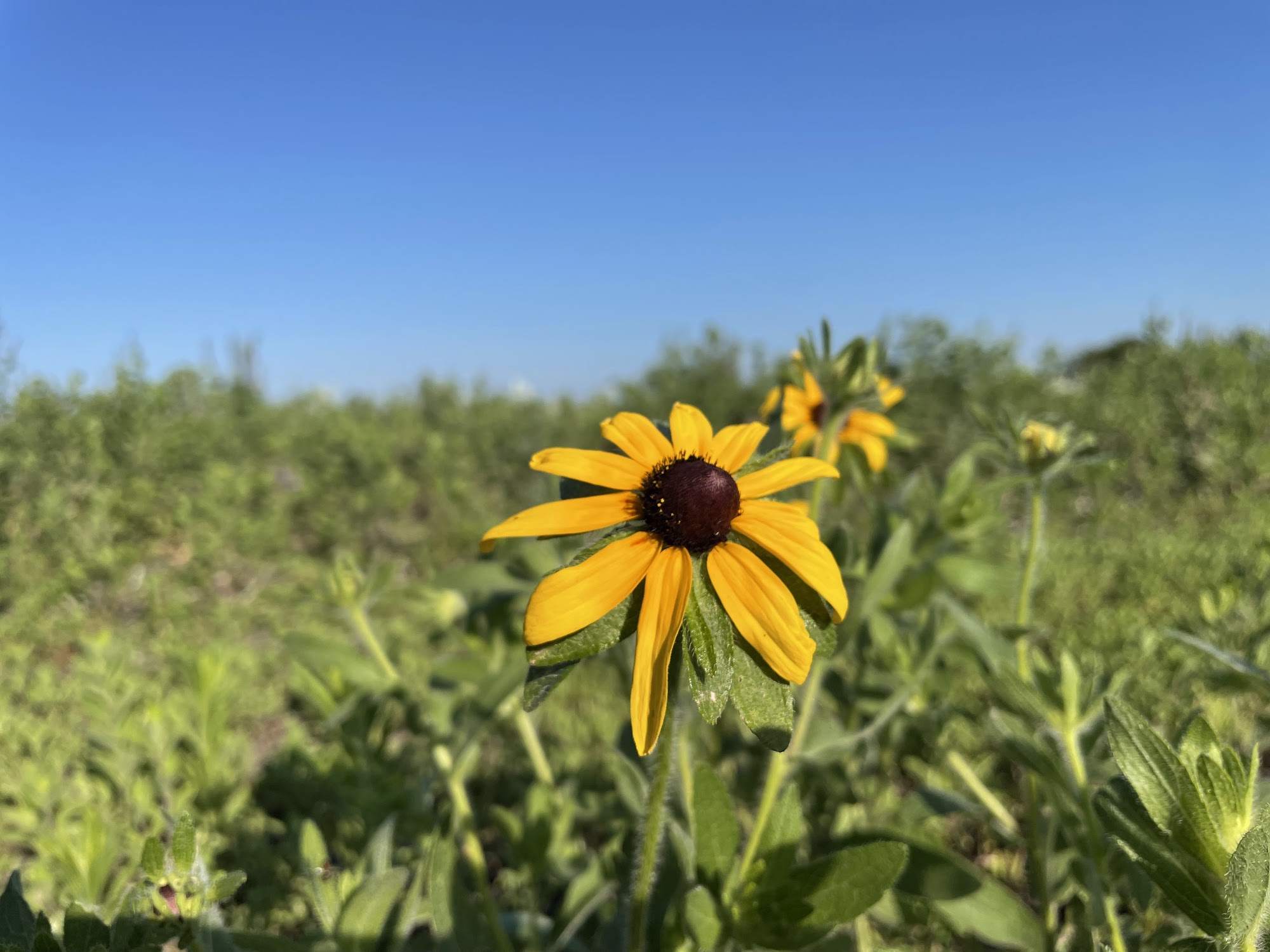
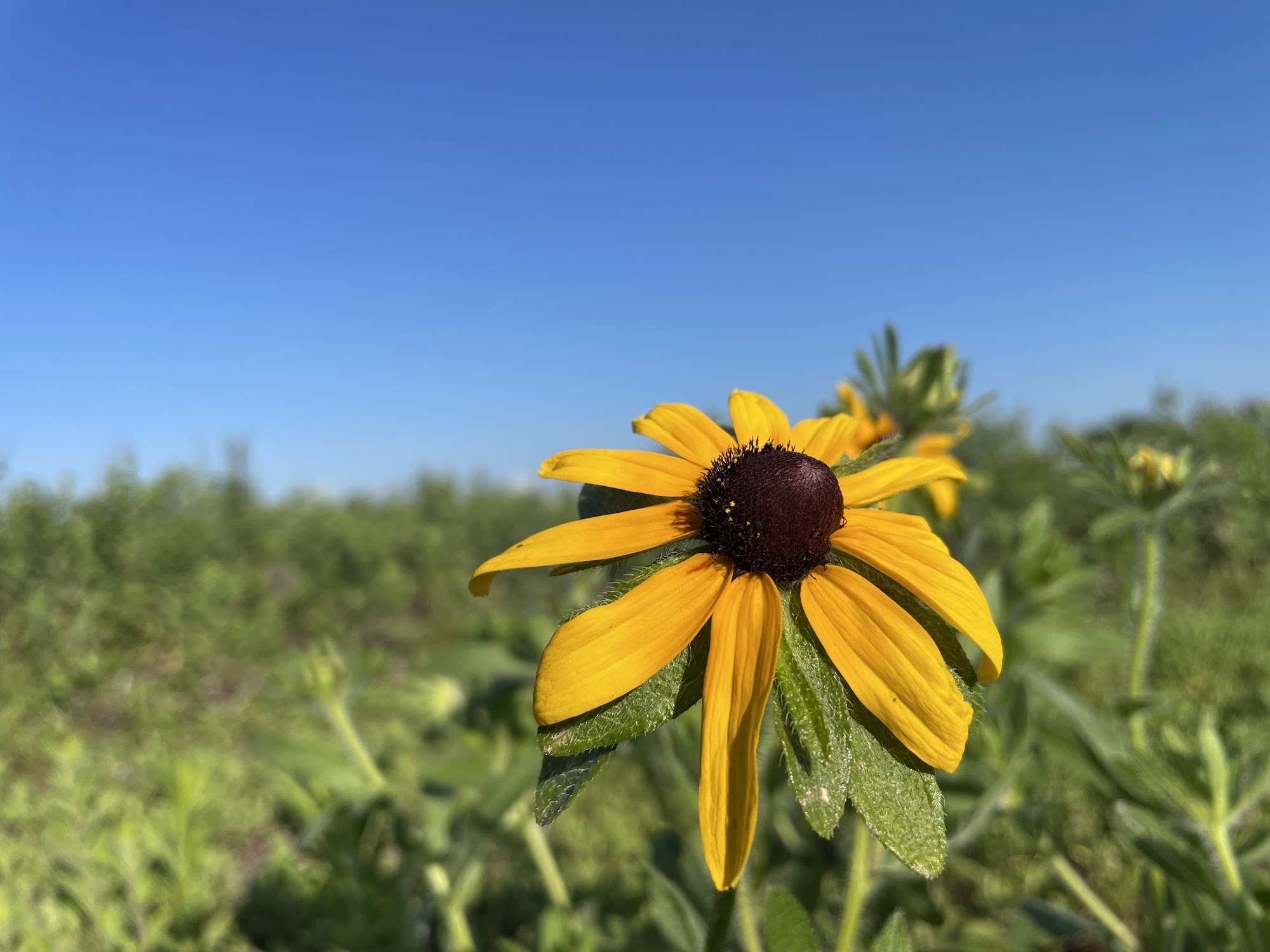
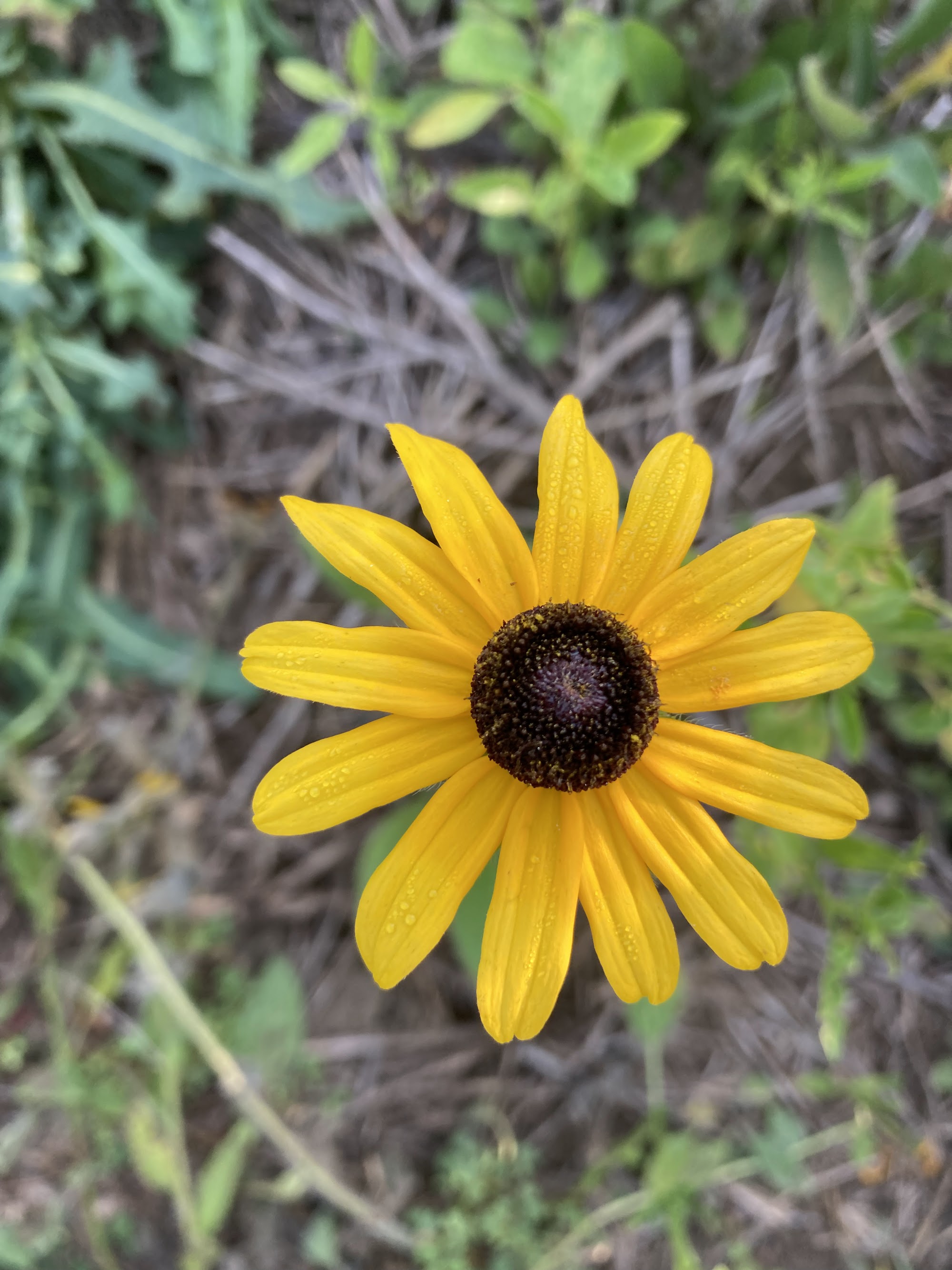
Black-eyed Susan is perhaps the most iconic American wildflower, cherished for its cheerful disposition and ease of growth. This biennial or short-lived perennial typically reaches 1 to 3 feet in height and is covered in rough, bristly hairs on both its stems and leaves. From early summer until the first frost, it produces an abundance of bright yellow daisy-like flowers with distinctive dark brown, dome-shaped centers. Native across nearly the entire North American continent, it is a pioneer species that quickly establishes in prairies, fields, and disturbed areas. It thrives in full to partial sun and is remarkably adaptable to various soil conditions, from medium-wet to dry. Black-eyed Susans are an essential resource for a vast array of pollinators, including bees, butterflies, and beneficial insects. Their ability to self-seed ensures they will return year after year, making them a staple for wildflower meadows and pollinator gardens. No special pretreatment is required for the seeds, making them an excellent choice for direct sowing in the spring or fall.
Native range
Native to 47 states:
County range map
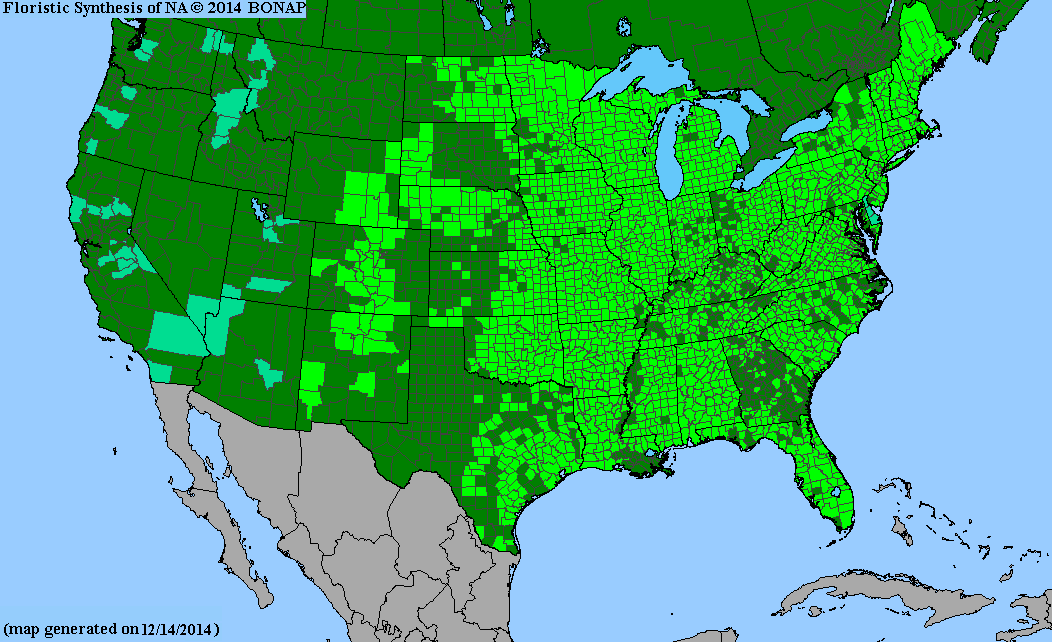
Range map courtesy of BONAP (Biota of North America Program).
Have more questions on Black-eyed Susan?
the prairie farm FORUM
Want to grow Black-eyed Susan?
Get a Quote